
N-Cargo USA
Role: Lead Developer · Full-stack platform, integrations & deployment.
Overview
N-Cargo USA is an international shipping and casillero virtual (virtual locker) platform that lets customers across Latin America shop at any U.S. store and have their purchases consolidated, insured, and delivered to their door. The product also offers a managed Personal Shopper flow and a curated in-house store.
As lead developer I own the whole stack — the customer-facing site, the ERP-backed operations core (inventory, invoicing, CRM, shipment tracking), and the integrations that tie everything together.
Key Features
Design Patterns Used
The platform is built around a handful of classic patterns that keep business logic decoupled from framework code and make the whole system easy to maintain and extend:
| Pattern | Why it’s used |
|---|---|
| Repository Pattern | Abstracts data access behind a single interface — route handlers never talk to the ORM directly. |
| Adapter Pattern | Normalises traffic between the frontend, the ERP, and third-party services into a single clean contract. |
| Facade Pattern | A single service call orchestrates the pieces behind common workflows, hiding complexity from the UI. |
| Factory Pattern | Produces the right type of object per customer tier without leaking the branching logic into callers. |
| Strategy Pattern | Interchangeable algorithms for things like per-destination shipping cost — adding a new case is adding a strategy, not editing an if-chain. |
| Observer / Event-driven | Package-lifecycle events fan out to notifications and the customer portal without tight coupling. |
| Singleton | Shared, long-lived resources (connection pools, clients) used across the process. |
| MVC | Clean separation of concerns on both halves of the stack. |
| Server Components + ISR | Server rendering for SEO, incremental revalidation for the catalog, client components only where interactive. |
Product Features
- Virtual Locker (Casillero) — Express, Personal and Commercial tiers. Each customer gets a unique U.S. address; incoming packages are received, weighed, photographed and reconciled against the user’s account automatically.
- Personal Shopper flow — Customers submit product links or quotes; the platform generates a pre-authorization, triggers the purchase on their behalf, and updates them as the item arrives at the locker.
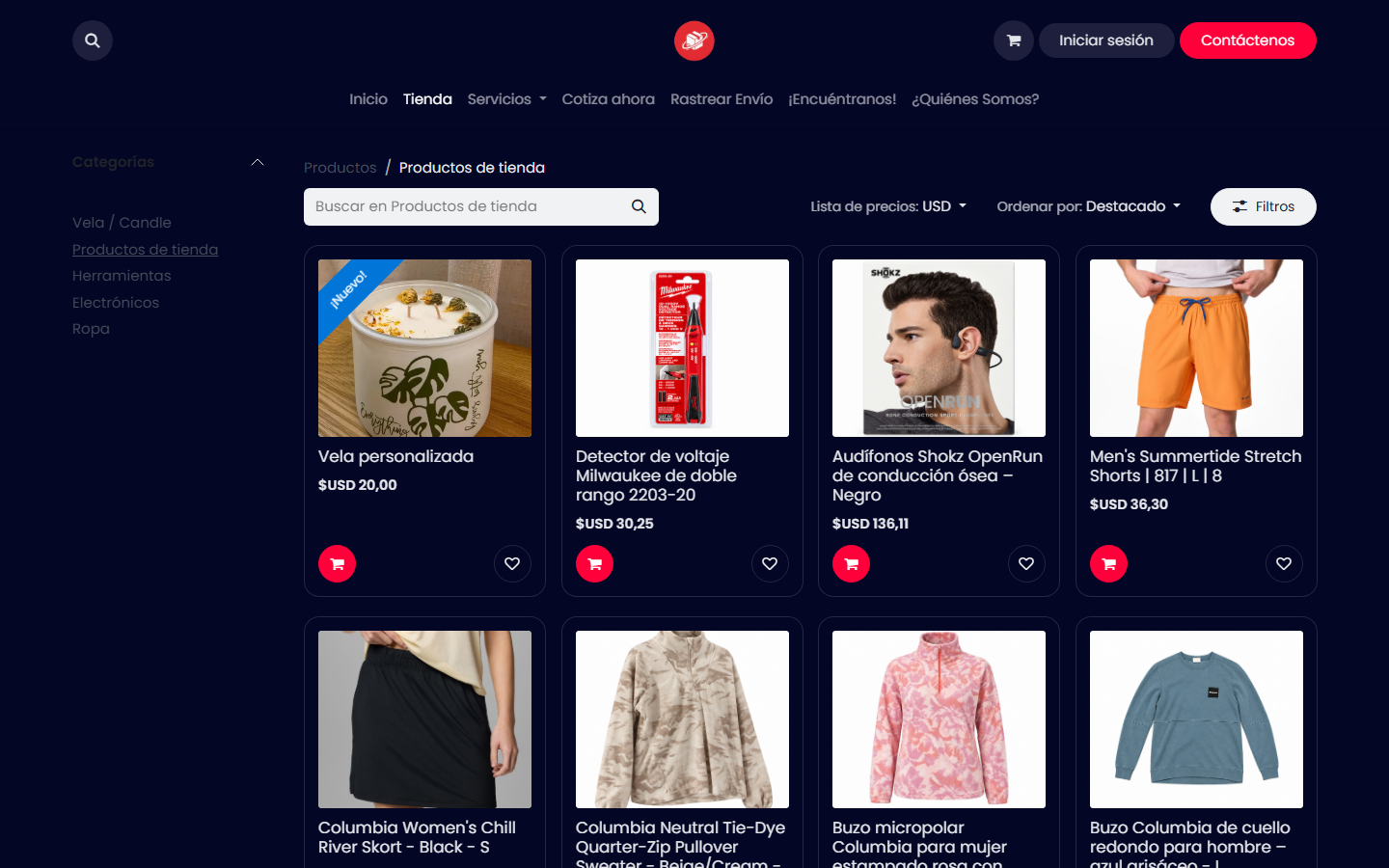
- In-house Store (Tienda) — Curated catalog with ERP-backed inventory, carts, and multi-currency pricing.
- Live Shipping Quote Calculator — Real-time quotes by destination, weight, and dimensional factor, covering 11 Latin American countries (Colombia, Ecuador, Peru, Venezuela, Mexico, Guatemala, El Salvador, Honduras, Costa Rica, Dominican Republic, Nicaragua).
- End-to-end Shipment Tracking — Status timeline synced to the customer portal.
- Account & Billing — ERP invoicing, consolidated monthly statements, and status notifications via email / WhatsApp.
- Multi-location — Pickup/drop-off locations in the U.S. and Latin America surfaced on the site.
- SEO + Performance — Server-rendered pages, image optimization, responsive design.
Stack (high level)
| Layer | What it does |
|---|---|
| Frontend | Server-rendered web app · responsive UI · SEO |
| API layer | Typed REST surface consumed by the frontend |
| Backend / ERP | Business operations — inventory, sales, invoicing, CRM |
| Data | Relational storage behind each service |
| Integrations | Carrier APIs · messaging (email / WhatsApp) |
| Delivery | Containerised build · CI/CD on main · managed hosting |
Specific vendors, protocols and internal service names are intentionally omitted here. The tag row above lists the technologies used, without disclosing how they are wired together in production.
Architecture (conceptual)
flowchart LR
  USER([ Customer ])

  subgraph FE[" Frontend "]
    WEB["Web app<br/>SSR · SEO"]
  end

  subgraph API[" API layer "]
    GW["Typed REST surface"]
  end

  subgraph CORE[" Business core "]
    ERP["ERP · operations<br/>inventory · billing · CRM"]
  end

  subgraph DATA[" Data "]
    DB[("Relational store")]
  end

  subgraph INT[" Integrations "]
    CARR["Carriers"]
    MSG["Email / WhatsApp"]
  end

  USER --> WEB
  WEB  --> GW
  GW   --> ERP
  GW   --> DB
  GW   --> CARR
  ERP  --> MSG

  classDef hl fill:#1f2230,stroke:#ff3b5c,stroke-width:1.8px,color:#ffffff;
  classDef sub fill:#191c28,stroke:#3a3f55,color:#e8ecf4;
  class WEB,GW,ERP hl;
  class DB,CARR,MSG sub;
Deliberately high-level: layers and responsibilities, no vendor names, protocols, service identifiers, or deployment topology. See the technology tags above for the stack at a glance.
Screenshots
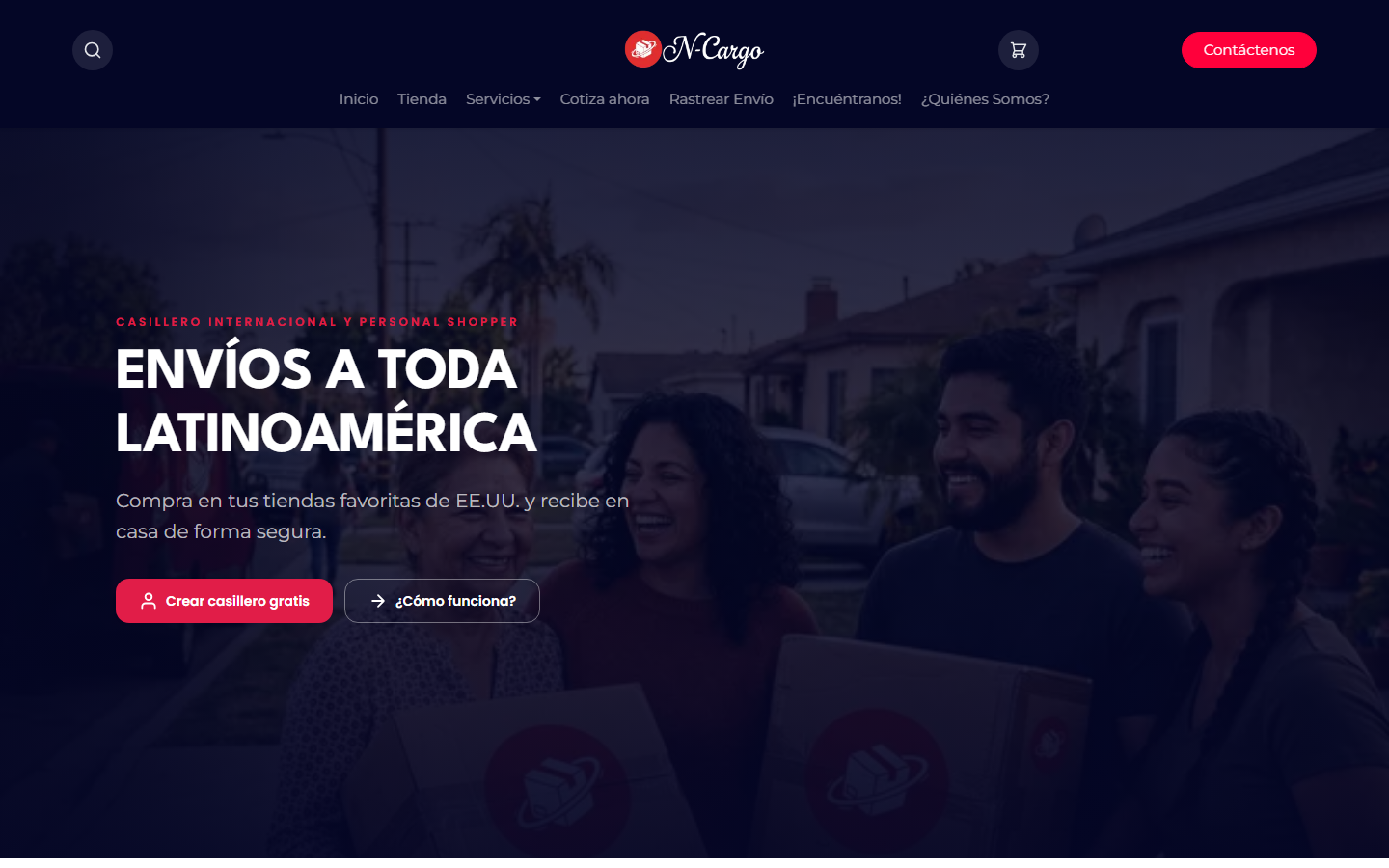
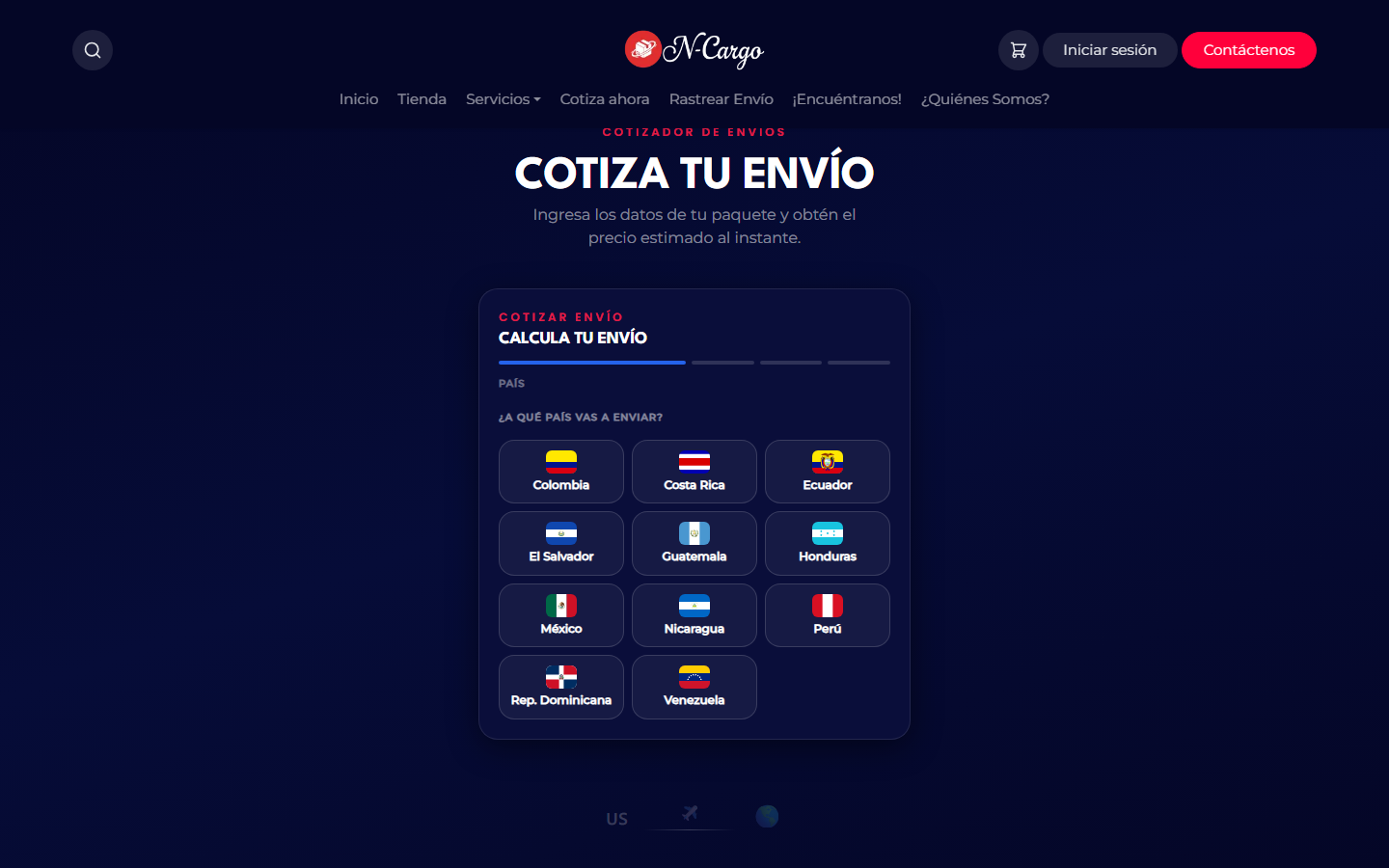
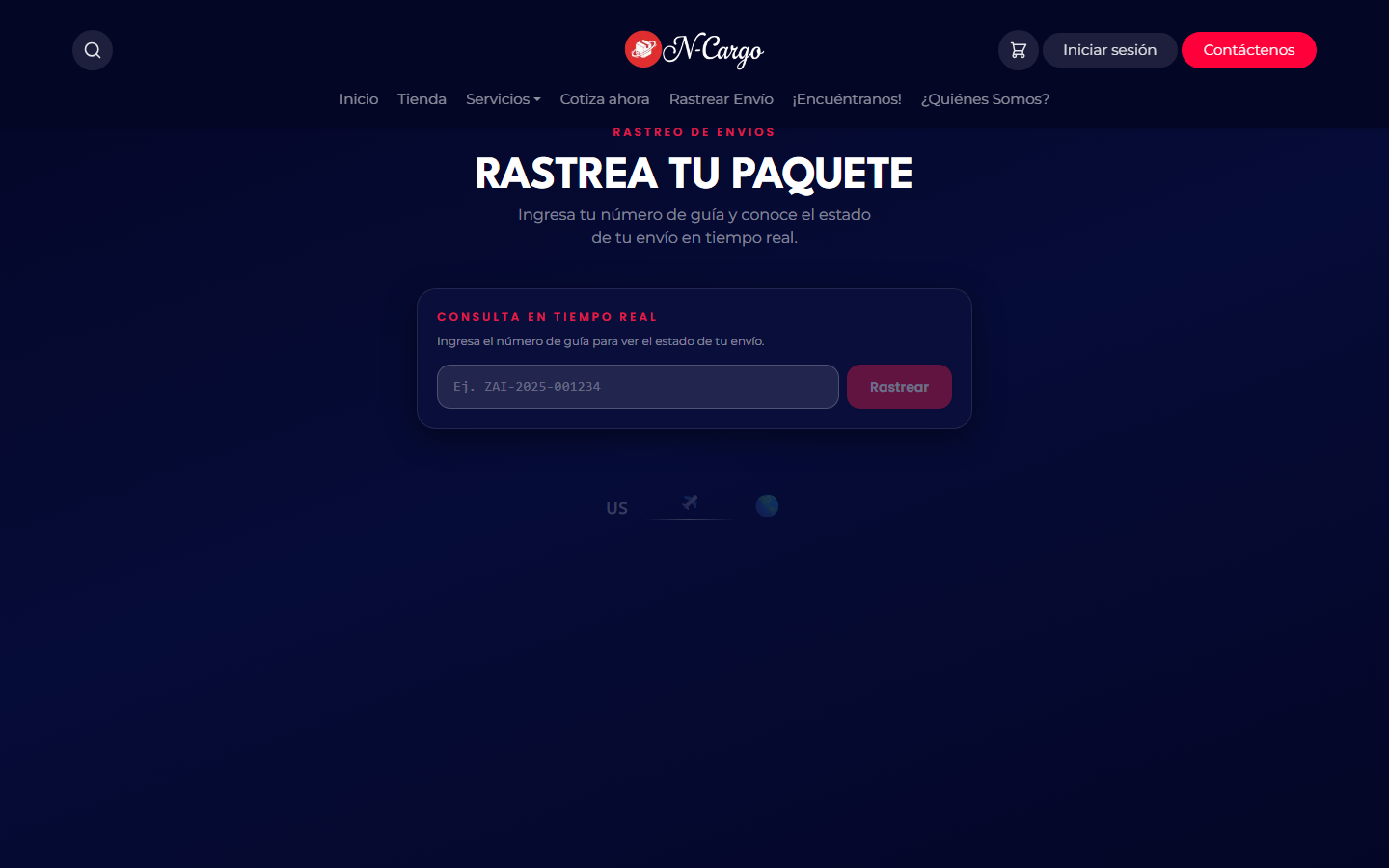
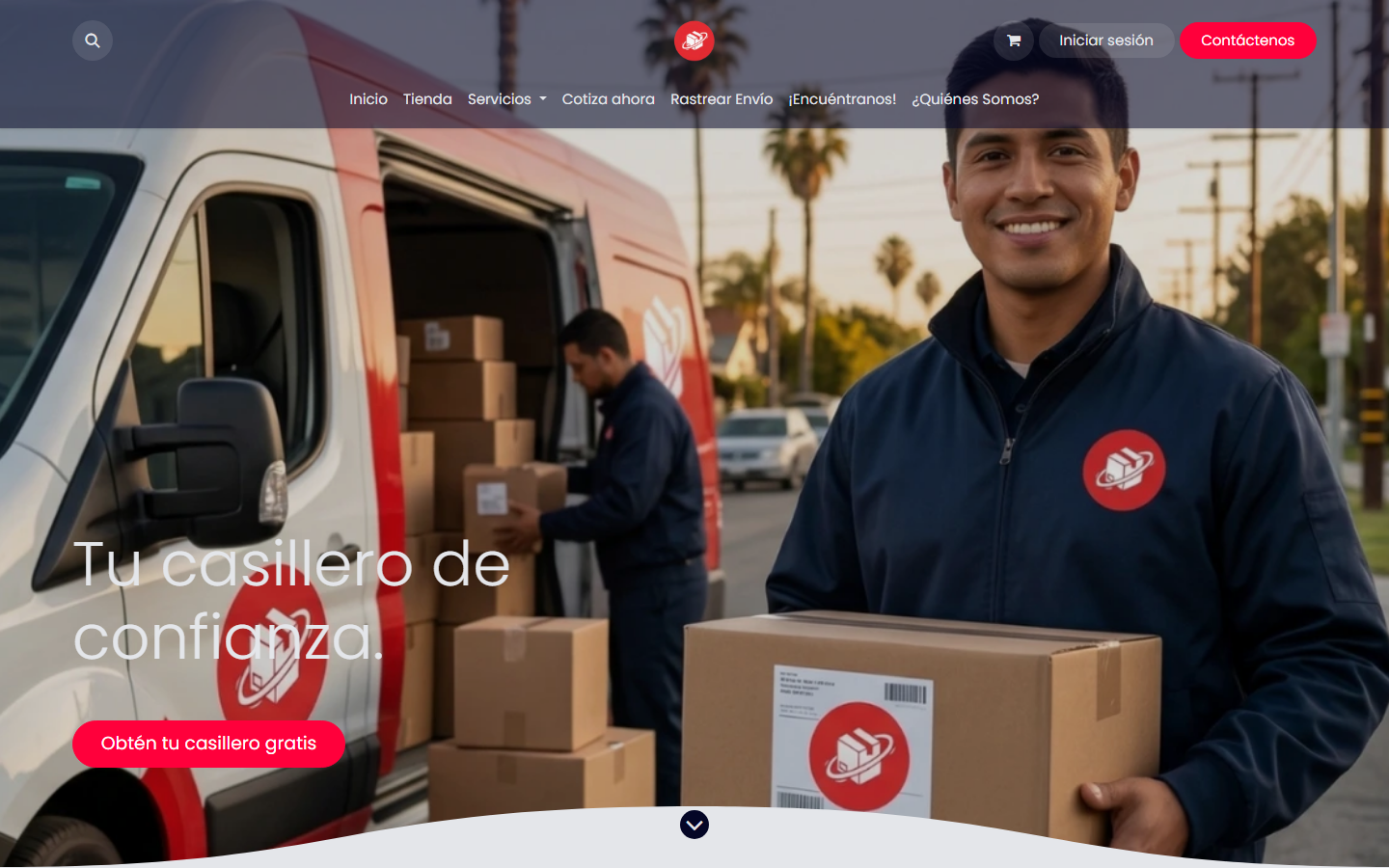
Highlights
- Shipped a production-grade e-commerce + logistics platform serving 11 countries.
- Designed the integration layer end-to-end — a clean, typed boundary between the customer-facing app and the operations core.
- Built the quote engine and tracker as reusable components fed by the same operational data as the ops team.
- Consistent design system across the marketing site, customer portal, and internal dashboards.
- Containerised build and reproducible environments for development and production.